
Luxury Landscape Website Design: 5 Examples That Attract High-End Clients
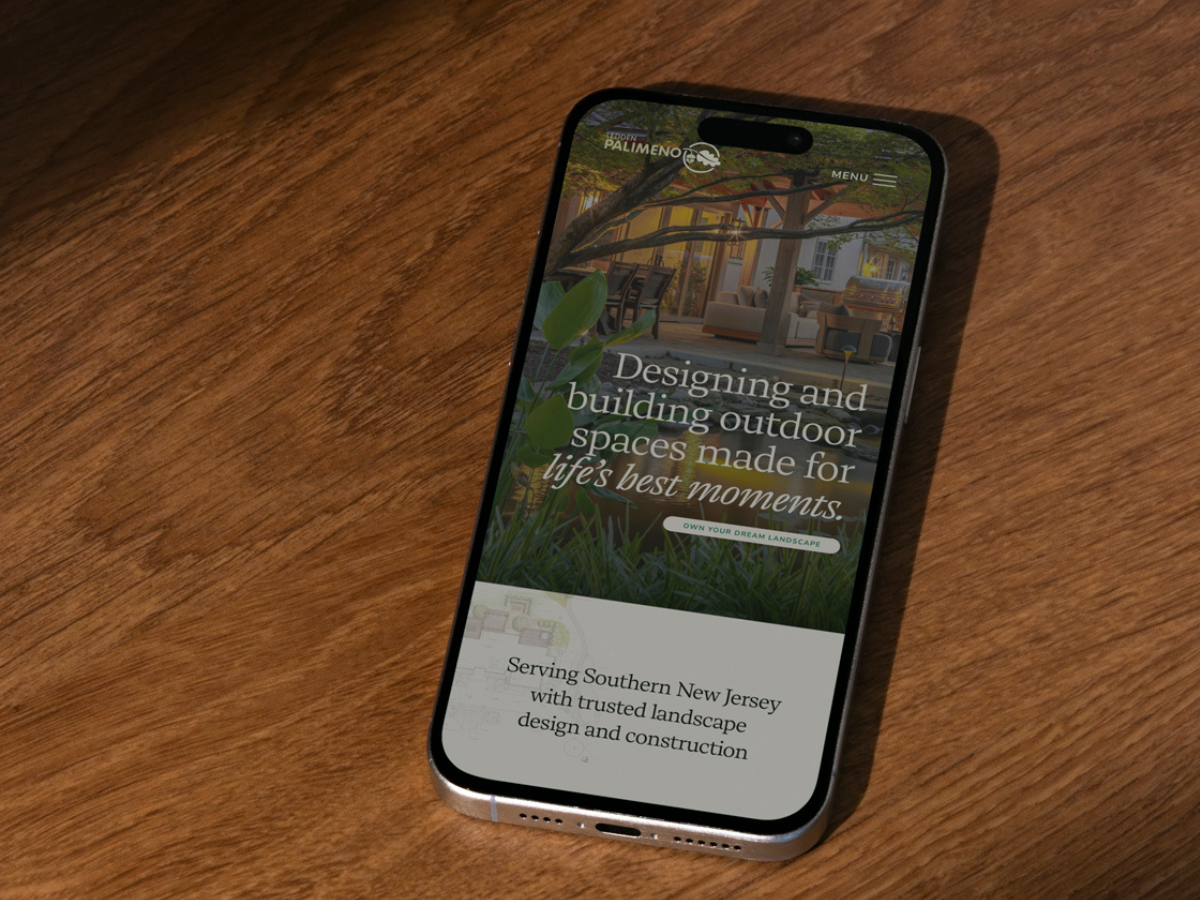
High-end landscape firms produce some of the most compelling work across residential landscapes and outdoor spaces.
But here’s the truth: most landscape website design doesn’t reflect that same level.
The gap isn’t about photography. And it isn’t about whether the design is strong enough. It’s almost always a strategy problem.
Without that foundation, even the most visually compelling work can fall flat online.
The question isn’t whether the website looks good. It’s whether it reflects the level of the work, and whether it’s doing the job it needs to do to bring the right clients in.
Here, we’ll uncover what separates a luxury landscaping website that attracts aligned, high-value clients from the ones that simply look good.
What Makes a High-Performing Landscape Website
Before you decide to make any changes to your own website, it’s important to define what makes a luxury landscape company website perform at its best. Here’s the framework we’ve defined based on what we’ve seen work across the industry and for our very own clients.
Strategic positioning
Every decision starts with clarity, which is why some of our first questions are always: who is this website for, and at what level?
The best landscape design firm website doesn’t try to appeal to everyone. It signals a clear point of view, a defined client, and a specific tier of work. Without that, even the strongest design will feel unfocused.
Photography that’s curated, not just abundant
Strong landscape design firms have a lot of work. But the ones that are the most successful online? They don’t show everything; they select their projects with intention.
The difference between a strong landscape portfolio website and a forgettable one is restraint. The right projects, sequenced well with room to breathe, communicate far more than volume ever could.
Portfolio as a case study, not a gallery
While portfolios earn attention, case studies earn trust.
As we’ve seen, a high-performing landscaping company website doesn’t just show the end result; it tells the story of the project. What was the challenge? What was considered? What changed for your clients because of the work? Without this additional context, the work is visually appealing but strategically thin.
Brand cohesion
Typography, color, layout, and tone in a luxury landscaping website design should signal the same price point of the work itself. When the branding feels inconsistent or generic, it creates doubt—even if the work is exceptional.
Clear conversion paths
Beautiful websites still need to work for your potential client.
Strong landscaping business website design makes it easy for the right client to take the next step. Inquiry forms, process pages, and contact pathways should feel intuitive, not hidden behind layers of navigation, images, or text.
5 Landscape Website Design Examples
Below, we’re sharing a selection of landscape website examples from both our work and others in the industry to illustrate what happens when strategy and execution align.
Each one approaches landscape website inspiration differently, but they all share a common thread: the website is built to support the work and visuals, not compete with it.
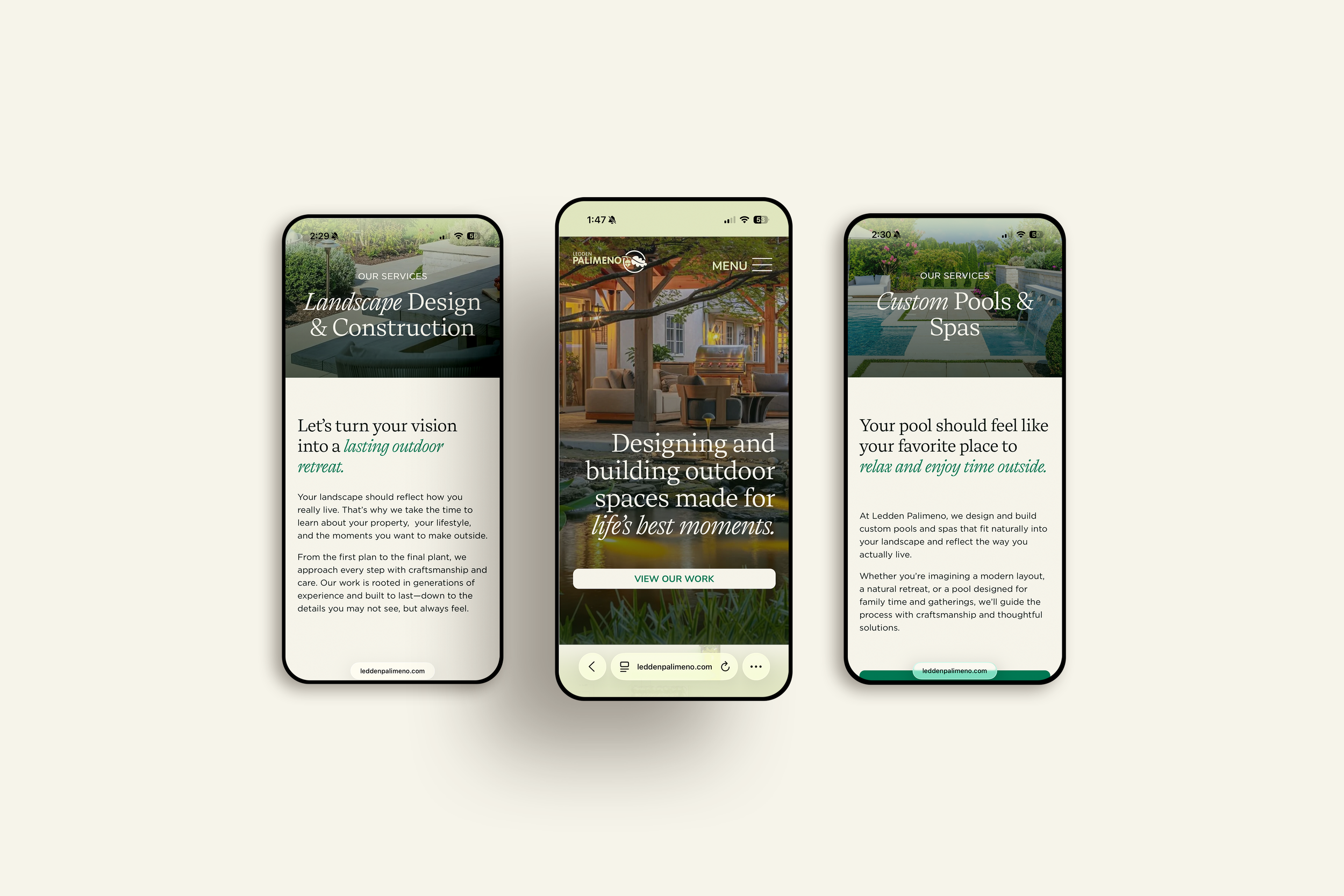
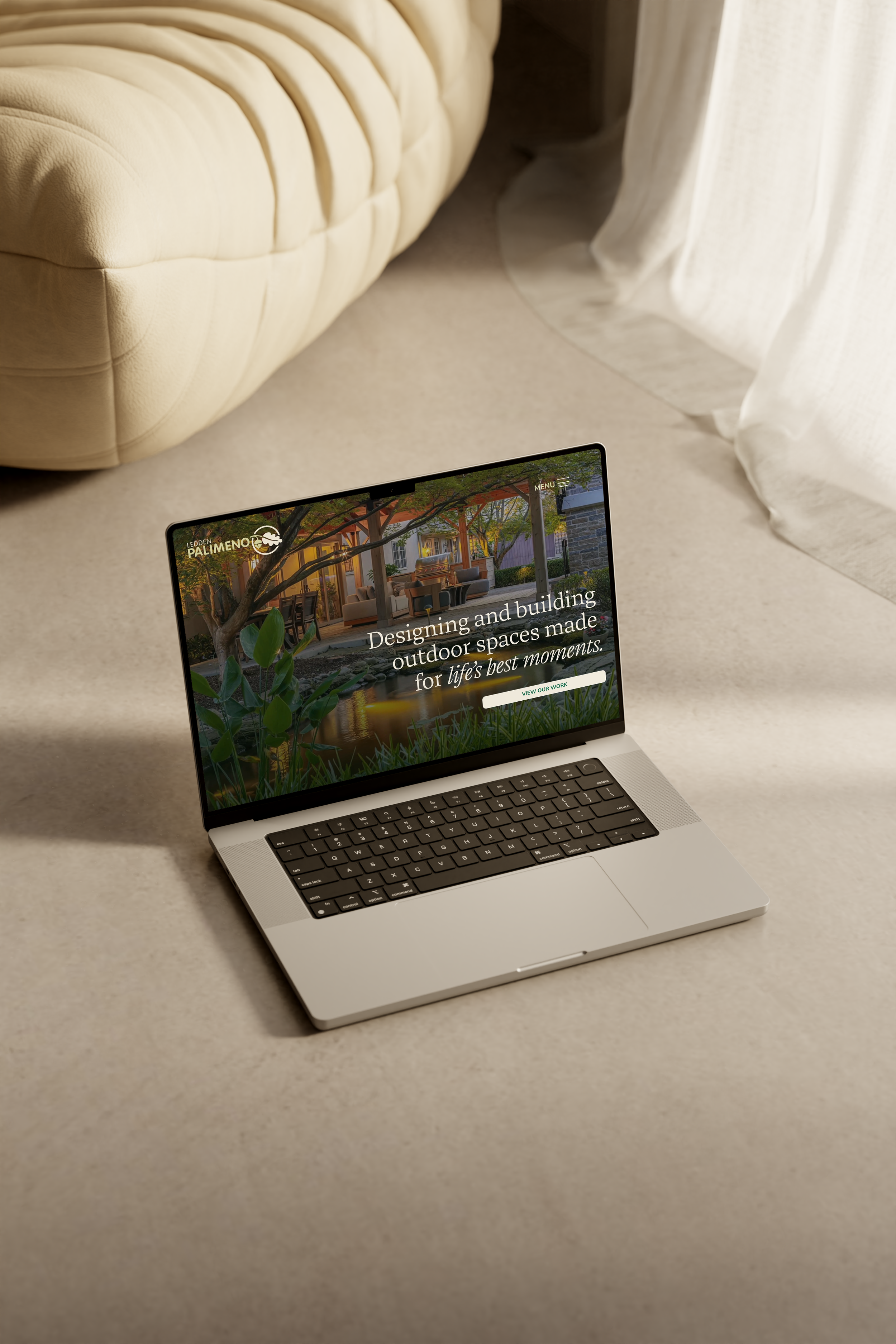
Ledden Palimeno
A landscape architecture firm serving high-end residential clients with a focus on legacy, craft, and long-term relationships.
Why it works:
This website leads with legacy and craft before services. The homepage alone communicates 30+ years of earned expertise before asking the visitor anything.
Their copy earns trust at the level at which the work operates: direct, knowledgeable, and personal without being overly casual.
The visual hierarchy guides high-intent visitors toward inquiry without friction or noise.
This is a clear example of a high-end landscaping website that understands positioning. Nothing is rushed. Nothing is over-explained. The site meets the user at the level of the work.
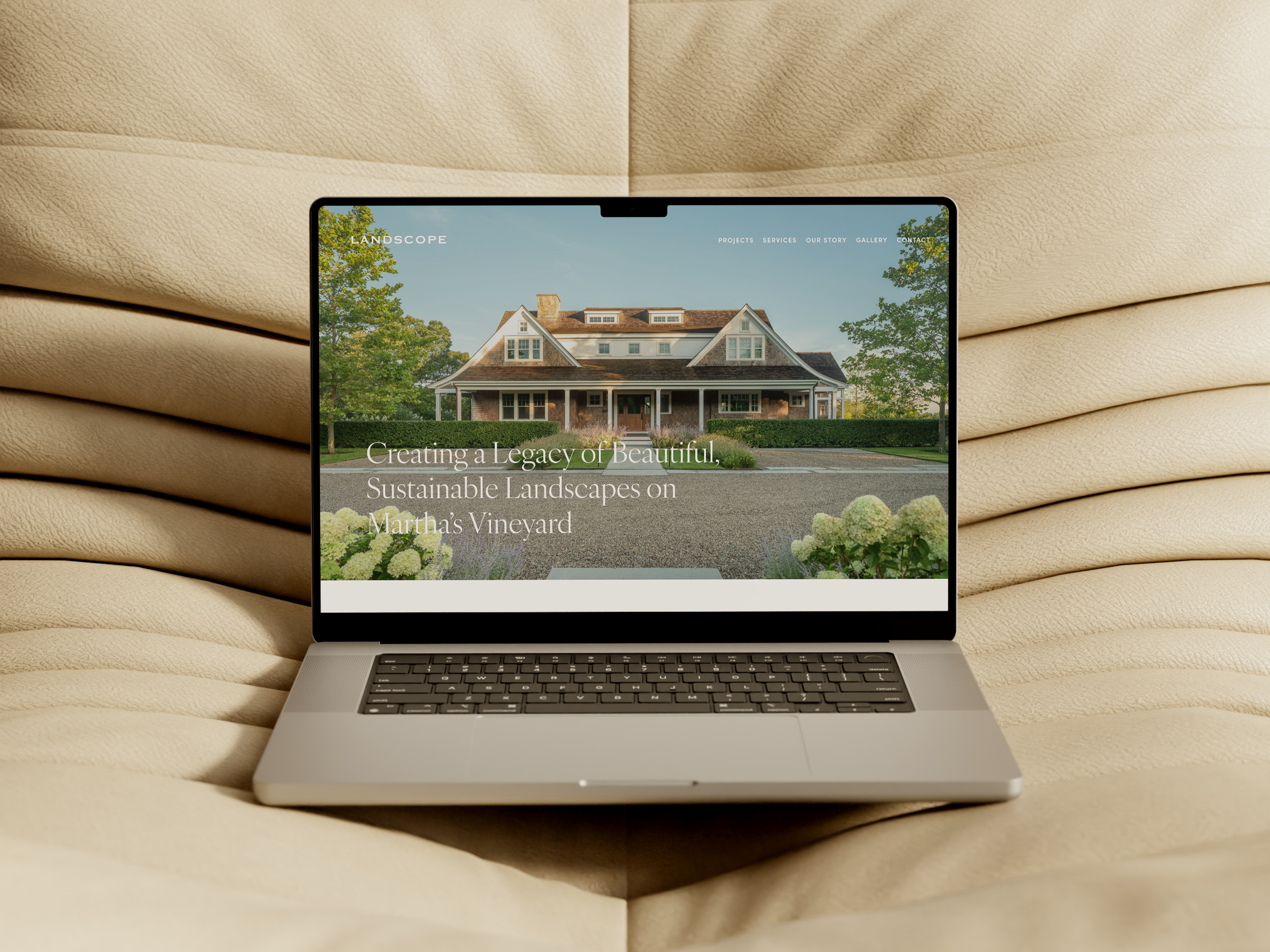
Landscope
A design-build firm known for refined residential landscapes and a disciplined, professional approach.
Why it works:
The clean, uncluttered layout lets the portfolio carry the weight, with nothing competing with the work itself.
Their service clarity is immediate. Visitors know within seconds what LandScope does and who it’s for.
The site communicates professionalism and reliability, which is exactly what high-end residential clients need to feel before reaching out.
This is what a well-executed landscape company website example looks like when restraint is applied correctly. The design steps back so the work can lead.
R.P. Marzilli
A large, complex firm operating at the highest end of the residential landscape market.
Why it works:
Their strong brand presence signals premium positioning from the first scroll. The color palette and typography communicate a high standard before a word is even read.
The site handles a large, complex firm without feeling corporate or impersonal; it stays human and welcoming.
The depth of their portfolio reinforces expertise across a range of project scales and complexity.
This is a sophisticated landscape architecture website design that manages scale without losing clarity or personality, with the structure doing as much work as the visuals.
Botanica Land Care
A design-forward studio operating at the intersection of landscape, lifestyle, and editorial sensibility.
Why it works:
The most editorially refined of the group, this site feels closer to a luxury lifestyle brand than a service business, which is exactly right for their audience.
The photography and layout work in genuine harmony; the site feels considered, not assembled.
It communicates taste and restraint, which does more for positioning than any service description could.
This pushes the idea of what a luxury landscaping website can be. It’s not just functional, it’s interpretive, artful, and detailed.

Pure Turf
A landscape company operating at a more mid-market price point, focused on reliability and service.
Why it works:
This landscaping company website is functional, clean, and communicates reliability and professionalism at its price point.
It’s useful as a contrast, showing what a well-executed mid-market landscape site looks like, which helps readers self-identify where they sit.
The gap between Pure Turf and the higher-end examples illustrates why strategy and brand investment matter when operating at a more premium level.
Is Your Website Holding You Back?
A website is more than a marketing tool.
It’s part of your brand’s record; a living archive of your work, your evolution, and your point of view. While websites do evolve, the strongest ones age well, much like good design.
They reflect standards, taste, and skill rather than chasing trends. They become reference points rather than followers.
But when that alignment isn’t there, the gap shows up in more practical ways.
You might recognize it if:
You’re attracting inquiries that aren’t aligned with the level of work you actually do
Potential clients ask about pricing before they’ve seen your portfolio
Your work looks better in person, or in photos you send directly, than it does on your website
You hesitate to send people to your website before speaking with them first
Competitors with less impressive work are winning on perceived credibility
These aren’t surface-level issues. They’re signals that the website isn’t doing its job.
A strong website that reflects your work doesn’t just support your business today.
It carries your work forward with integrity.
And when that alignment is in place, something shifts.
The work is understood more quickly, the right clients recognize themselves sooner, and conversations feel easier because the foundation is already in place.
If your current site isn’t there yet, it may not be a design problem. It may be a strategy problem that was never fully considered. This is exactly where all our work here at Ethos begins.
Through our Brand Blueprint, we help founders step back, define what their brand needs to communicate, and build a digital presence that can support it; whether that leads to a new website or a more intentional evolution of the one you already have.
If you’re exploring what that could look like for your firm, you can learn more about our approach, or see how we work with firms built specifically for landscape and design-build firms.
